

Winter Streetwear Outfits That Keep Their Shape Under Layers
Winter has a way of turning a good outfit into a zip, a scarf and two eyes. You choose the right trousers, get the hem exactly where you want it, then add the only coat that keeps you comfortable and lose the whole idea. The answer starts before the coat goes on.
Good winter streetwear outfits account for the complete shape: the shoulder, the length of the middle layer, the width of the trouser and the shoe underneath it. Warmth belongs inside that plan. It should never depend on keeping your jacket open for a photograph.
These five looks give you different ways to manage that shape, from a substantial puffer with straight denim to tailoring under a proper overcoat. You can build them across different bodies and wardrobes, using the proportions as your guide. Start with what your weather requires, then make the clothes work around it.
1. Oversized Puffer + Straight-Leg Denim + Heavy Boots

A big puffer already brings the volume. Give it a clear line underneath and the outfit starts making sense before you add anything else. Straight-leg denim works well here because it leaves room around the thigh without widening all the way to the floor.
Choose a dark jacket, faded charcoal jeans and black boots with enough substance to show below the hem. The washed denim creates a gentle break between the jacket and footwear. A close-fitting long-sleeve base and a modest sweatshirt can sit underneath without turning the chest into a stack of competing shapes.
The important measurement is the jacket hem against the top of the jeans. A hip-length puffer can cover the waistband comfortably; the denim should then drop in a relatively uninterrupted line. If your jacket runs longer, try jeans with less stacking so the outfit keeps a visible ending.
Let the trouser hem meet the boot with one soft break. Several folds of wet denim around a sole make the lower half look heavier and give you something unpleasant to carry indoors. Wear socks that cover the gap when you sit, and choose the actual outsole for the pavement you expect.
Keep a beanie close to the head and put your essentials in a compact crossbody bag that sits outside the jacket without pulling the shoulders forward. You already have plenty happening around the torso. A huge scarf and a huge bag can make that space feel crowded.
If you own relaxed jeans rather than straight ones, use the pair with the cleanest hem and wear a slightly shorter sweatshirt underneath. If you prefer trainers, choose a substantial closed pair suited to the conditions and adjust the denim length accordingly. The aim is a comfortable column under the puffer, with enough footwear visible to finish it.
2. Long Coat + Hoodie + Cargo Pants

The coat gives this outfit length; the hoodie makes it feel like something you would actually wear on a Saturday. Keep both qualities. A long, softly structured dark coat over a charcoal hoodie and black cargos brings together a strong outside line and a relaxed interior.
Choose a hoodie that allows your coat to close without tension through the upper back. A thick double-layer hood may look impressive on a rail, but it can push a coat collar away from your neck. A less bulky hood sits more comfortably and lets the lapels fall as intended.
Pull the hood out cleanly rather than trapping half of it under the collar. Keep the hoodie hem above the fullest cargo pocket when possible. That separation lets the coat, sweatshirt and trousers read as three useful pieces instead of one long mass of fabric.
Cargo pockets work best when they lie relatively flat. Put your phone and keys in a bag rather than loading the thigh pockets until they swing. You can enjoy the shape of a utility trouser without making each leg carry a different silhouette.
Wear lace-up boots that meet the trouser comfortably, or sturdy low shoes if your route and weather allow. Leave the cargos loose through the knee, then manage the hem with the garment's own adjustment if it has one. Pulling every drawcord tight can make a relaxed trouser look unexpectedly small.
A narrow dark scarf can sit inside the coat, leaving the hood as the main neck detail. If the coat already has a high collar, you may need even less around the face. Choose gloves you can use without constantly taking them off to reach your phone.
Swap the cargos for relaxed work trousers if you want a quieter version. The hoodie still supplies the casual note, and the long coat still defines the outfit. You gain a winter uniform that works with the coat closed outside and looks complete when you remove it indoors.
3. Textured Cardigan + Cropped Outer Layer + Wide-Leg Pants

This is the useful alternative when you like layers but hate feeling padded through the middle. A textured cardigan adds surface detail; a shorter outer layer frames it; wide trousers carry the volume downward. Each piece has a separate job.
Start with a dark crewneck tee and a cardigan that reaches around the top of your hips. Add a boxy bomber or similar cropped jacket with enough sleeve room for the knit. The outside layer can finish slightly above the cardigan, leaving a controlled strip of texture visible at the bottom.
Keep that strip deliberate. A cardigan hanging far below a short jacket can pull attention toward the widest part of the hip, which may suit your taste but changes the whole balance. Try the layers together from the side before deciding how much length you want to show.
Choose wide black or charcoal trousers that fall from the waistband rather than ballooning at the pockets. A soft drape works well beside a jacket with a clear shoulder. If both garments feel stiff and expansive, the outfit can start moving as one large rectangle.
Wear substantial Derby shoes or ankle boots with a toe that remains visible under the trouser. For rain, use footwear and outerwear with appropriate verified weather protection. A dense-looking fabric or a heavy sole cannot tell you whether either piece handles water well.
Leave one cardigan button open at the bottom when the construction and fit allow it. That small opening can stop the knit bunching when you sit and create a little room over the waistband. Keep a scarf simple, particularly if the cardigan already carries a large pattern.
Use a smooth cardigan if you do not own a textured one, then let the contrast come from washed trousers or a different jacket finish. You can also narrow the trousers slightly while retaining the shorter outer layer. The result feels layered and considered without asking your shoulders to accommodate three bulky garments.
4. Structured Blazer + Knit + Overcoat

A blazer can join a winter streetwear outfit without pretending to be the coat. Treat it as the middle layer and you can keep its sharp shoulder while wearing something suited to the trip outside. That makes the outfit useful well beyond a short walk from a car.
Choose a relatively fine knit, a dark blazer and an overcoat that accommodates both. The knit should sit close enough to avoid twisting inside the jacket sleeve, while the blazer needs enough ease for you to reach forward. Wear relaxed trousers to keep the tailoring from becoming overly formal.
Check the overcoat with the complete outfit underneath. If you cannot bring your hands together comfortably, the coat needs more room through the back or armholes. Going up a size may help, but a different cut often solves the problem more neatly than adding length everywhere.
Keep the blazer hem inside the coat. A short coat exposing the bottom of a longer blazer creates an extra horizontal line and can leave the middle layer catching on seats. A longer overcoat gives the layers a cleaner relationship and covers more of the trouser when the weather turns.
Black lace-up boots ground the look, especially with trousers that fall over the upper shaft. A dark cap or simple beanie can make the styling feel more relaxed, though you do not need either to prove the outfit belongs outside an office. The wider trouser already changes the mood.
Choose a mock neck if you dislike a full roll neck. It gives you a tidy edge at the collar without adding as much fabric under the chin. If knitwear bothers your skin, wear a comfortable thin layer beneath it and check how the neckline sits.
Swap the blazer for an unstructured version if you want easier movement, or use your existing suit jacket with different trousers. Keep the outer coat roomy enough and the shoes practical enough for your day. You get the pleasure of tailoring and the option to stay warm on the way there.
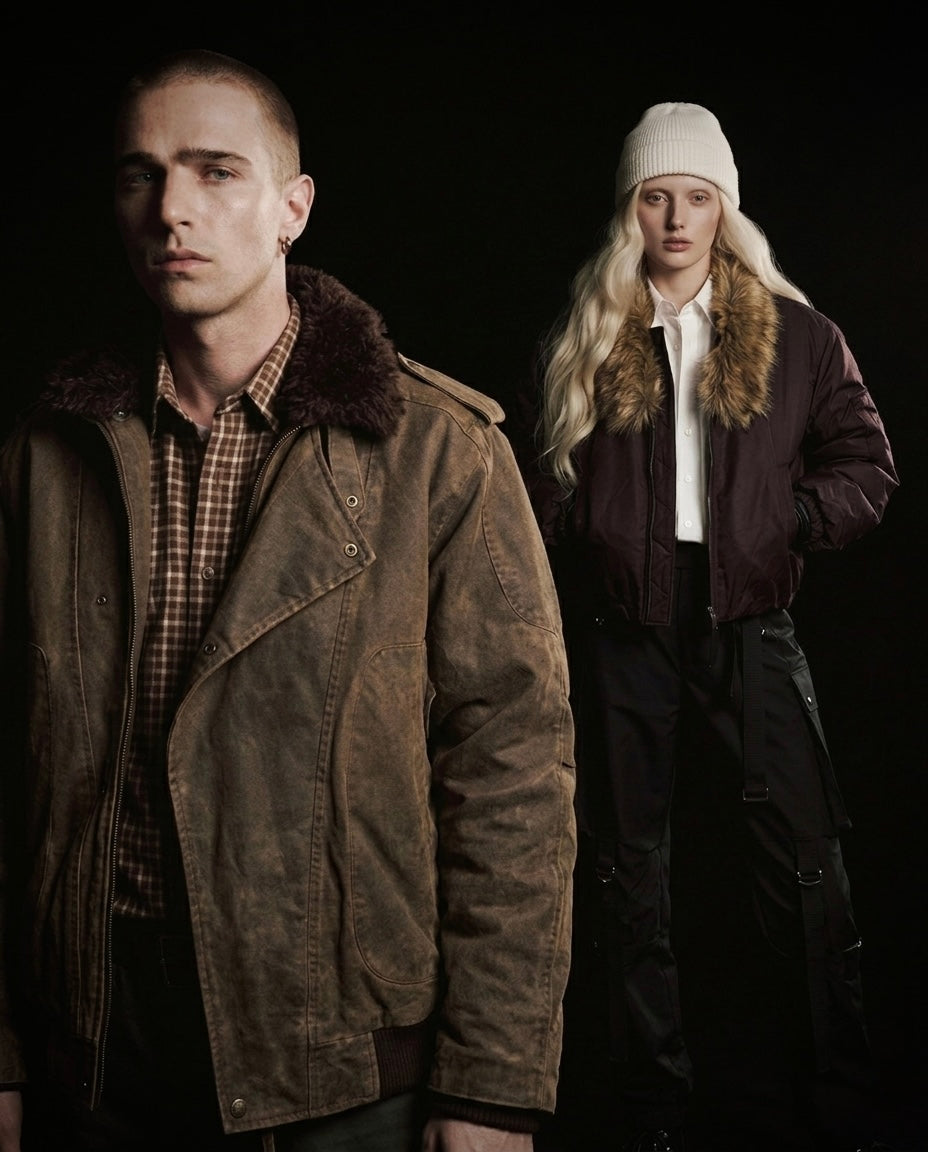
5. Fur-Trimmed Jacket + Tonal Trousers + Platform Boots

Texture can carry an evening outfit even when the palette barely changes. A jacket with a clearly defined plush collar, black or charcoal trousers and a substantial platform boot gives you a strong finish with very little decoration. Let the collar hold the attention.
Choose a relatively simple knit underneath so the neckline does not compete with the trim. A close crewneck often works better than a bulky roll neck here. If the jacket closes high, try it fastened before choosing a necklace or scarf that could catch in the collar.
Keep the trousers dark with enough drape to move beside the jacket's volume. A relaxed straight leg can feel sharper than an extremely wide one when the collar and shoulders already occupy a lot of space. A wider trouser also works if you keep its hem under control.
Platform boots give the lower half visual weight, but try the outfit with boots you can walk in for the whole evening. Sole height alone says little about grip, stability or comfort. A lower sturdy boot can create much the same balance with a trouser hem adjusted to meet it.
Wear a compact shoulder bag or keep the bag line away from the trim. A strap rubbing across a textured collar can flatten it and pull the jacket out of position. One ring or a simple belt buckle gives the outfit a point of detail without filling every available space.
OFFCULTURE's Off/Sc Fur Collar Cropped Leather Puffer Jacket offers a relevant starting point for this silhouette. Its current catalog description identifies a PU faux-leather outer and a faux-fur collar, so those details belong to that garment specifically. Compare its measurements with your intended knit before choosing a size.
You can also use a plain textured jacket already in your wardrobe and keep the tonal trousers and solid footwear. The outfit depends on a clear upper shape and a grounded lower half. That makes it useful for dinner, a late show or any evening when you want your coat to be part of the look.
Make the Layers Work With Your Actual Day
The best layered winter outfits in street style still need somewhere to put the extra layer when the heating comes on. Think through the day before dressing: the walk to transport, the temperature indoors and how much time you will spend standing outside. A long commute and a short taxi ride ask for different decisions.
Start with a base that feels comfortable against your skin. Add a middle layer for the amount of warmth you need, then choose the outer piece for the conditions. If you regularly overheat indoors, make the middle layer easy to remove rather than relying on a complicated arrangement you have to rebuild in a bathroom.
Check your outfit while sitting. Short jackets can rise, trousers can expose a strip of ankle and several waistbands can gather in the same place. Longer socks, a smoother base and a small change in trouser rise often make more difference than another visible layer.
When you carry a backpack, test the shoulder straps with the coat fastened. Thick collars and structured shoulders can shift under the straps, while very loose sleeves may catch as you take the bag off. Adjust the strap length so the bag sits where you can move comfortably.
Give your hands and neck the same attention as the jacket. An expensive-looking outfit loses its appeal quickly when you spend the walk pulling your sleeves over your fingers. A simple pair of gloves and a scarf you can tuck securely usually add more practical value than another decorative garment.
For wet conditions, choose pieces with stated weather protection and footwear that suits the surface. Styling photographs cannot verify a waterproof rating. Keep spare dry socks available if your routine involves long outdoor stretches, and leave enough room in the shoe for the socks you actually wear.
Use Proportion Without Turning It Into Homework
You do not need a formula for every body type. You need to see where the clothes begin and end. Look at the jacket hem, the longest middle layer, the trouser break and the amount of shoe showing; those four points explain most of the outfit's shape.
If the upper half feels too large, shorten one visible layer or choose a cleaner trouser line before changing every garment. If the bottom feels heavy, reduce the stack at the shoe. If everything seems to disappear beneath a long coat, use a visible collar or a slightly different trouser finish to give the eye something to follow.
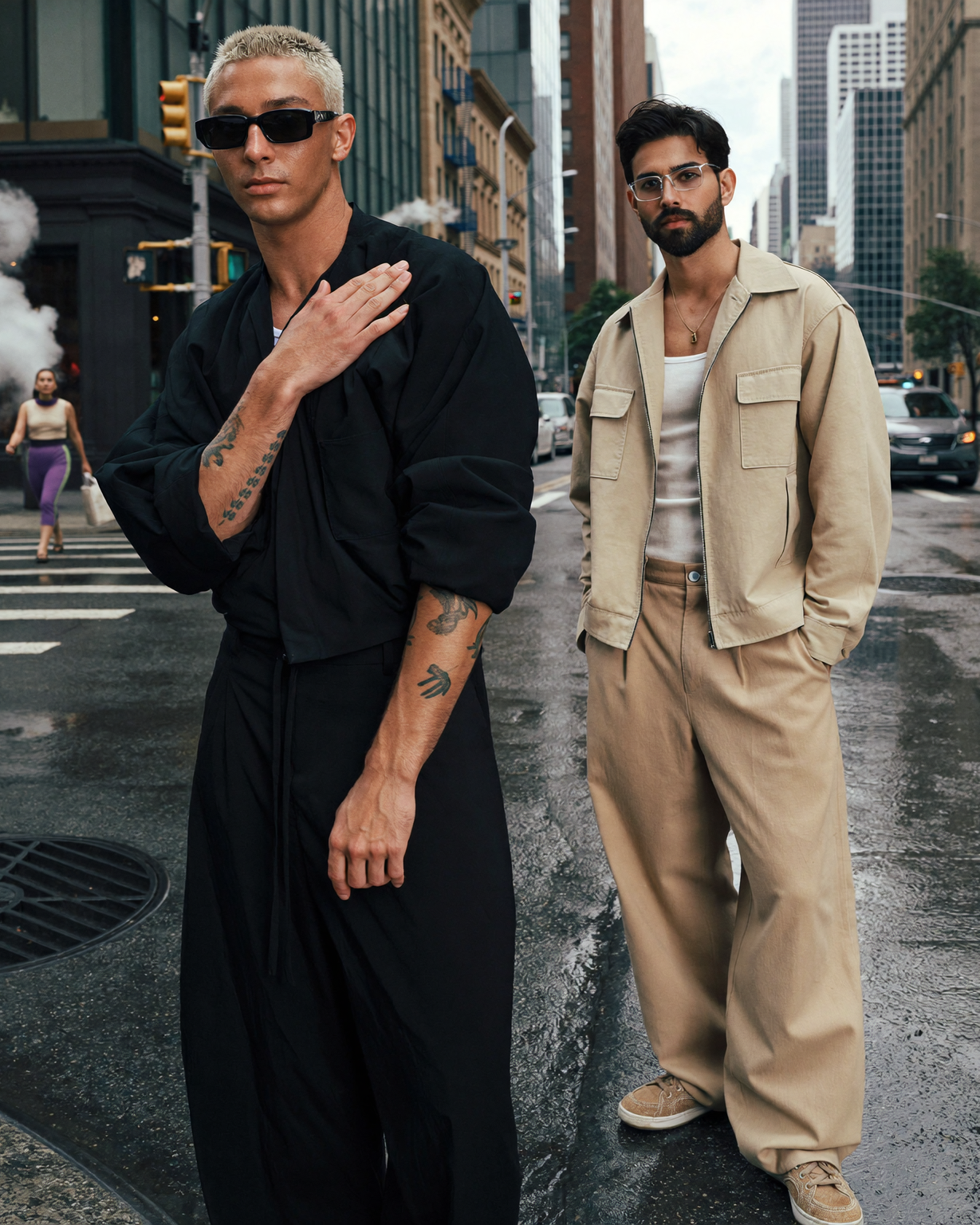
When you save NYC winter outfits in street style references, notice the clothing decisions you can actually use. A dramatic open coat may reveal the outfit clearly for a photograph, but your version should close over its layers. Judge the finished look both ways.
A mirror at eye level helps more than a low phone angle when you assess length. Take a front and side photograph, then look at the clothes rather than comparing your body with the person in an inspiration image. You are checking fabric relationships, not trying to borrow someone else's proportions.
Keep one part of the outfit familiar while you try something new. A wide trouser feels easier with boots you already trust; an unfamiliar long coat settles in faster over your usual hoodie. You can change the shape of your winter wardrobe one decision at a time.
Buy for the Missing Job
Before buying another jacket, name the gap it needs to fill. You might need an outer layer that closes over tailoring, a shorter piece that works with wider trousers or a cardigan that adds interest indoors. Those are useful shopping questions because you can test the answers against clothes you own.
Compare garment measurements with a comfortable existing piece. Leave room for the intended layers and check the sleeve opening, shoulder and back as carefully as the chest. A product called oversized can still fit tightly over a substantial knit if the sleeve shape runs narrow.
Read the composition and care information for each garment. A leather-like finish does not tell you the fiber, and the word puffer does not describe the exact insulation. Buy for the listed construction and your intended use, then check the current variant details before ordering.
Rewearing gives you the clearest test. Try the same jacket with denim on one day and trousers on another, keeping the rest of the outfit reasonably stable. If it works only with one carefully arranged combination, consider whether it earns the space you want to give it.
For a broader look at shapes beyond the winter wardrobe, start with the wider streetwear outfit guide and bring the proportions you like back to these layers.
Keep the Shape You Chose
Start tomorrow's outfit with the piece that must work: the coat for your weather, the boots for your walk or the trousers you plan to wear all day. Build the other proportions around that decision. A good winter outfit should make the day easier to inhabit.
Try one of these five combinations with your own clothes before adding anything new. Close the jacket, sit down, reach forward and look at the hem. If the shape still feels right through those ordinary movements, you have a useful outfit rather than a moment that only works in the mirror.
When a layer is missing, use OFFCULTURE's outerwear or knitwear as a focused next step. Choose the garment that completes the combination you can already see yourself wearing.
Read more
Start with the leg and the outfit builds itself. Wide-leg, barrel and flare compared, then five complete looks with wide cargo, barrel denim, waxed flares, distressed jeans and very wide jeans, plu...

The jacket you wear most often can make half your wardrobe feel wrong. The jeans suddenly look too narrow, the knit bunches at the shoulder and your favourite shoes disappear under a different hem....