

Winter Blazer Outfits That Make Room for Real Layers
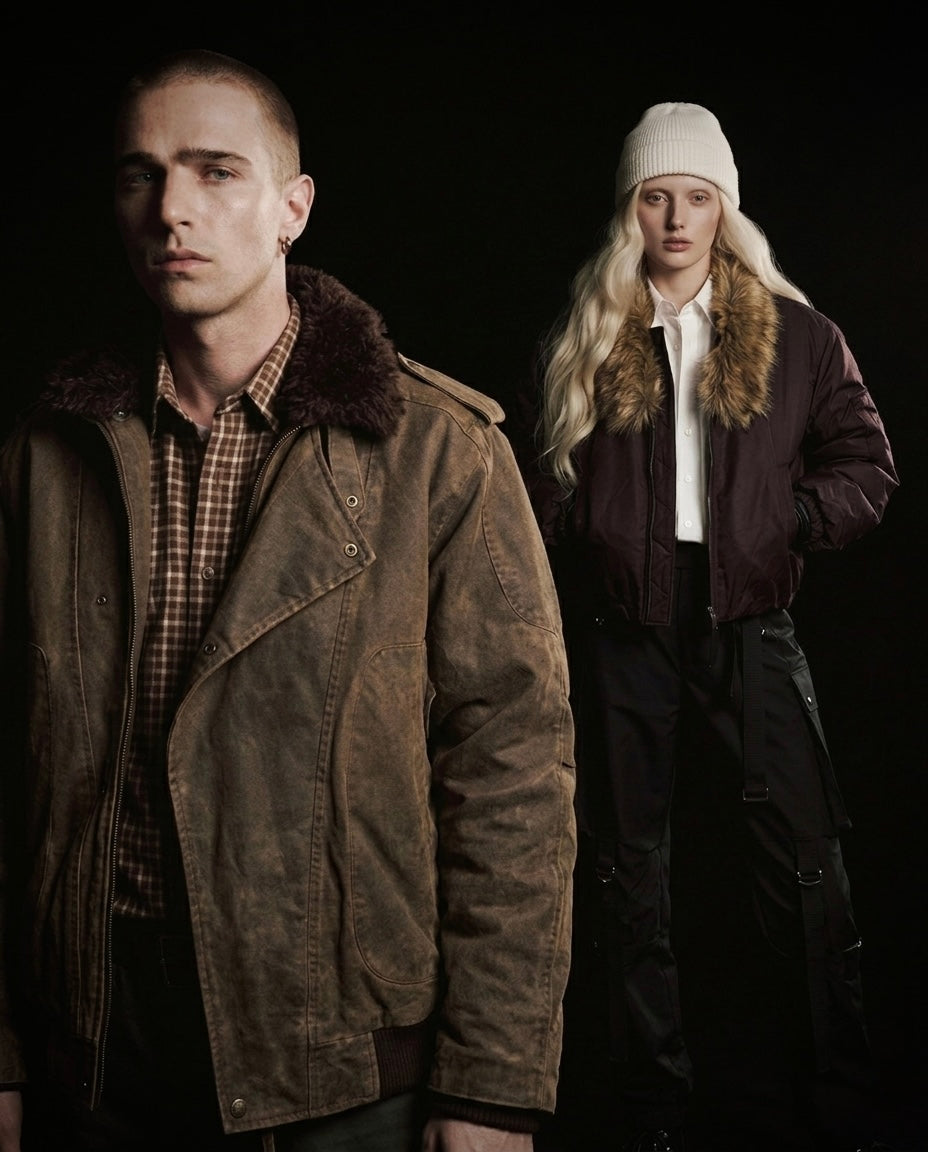
The photograph says winter blazer outfit. The outfit says bare ankles, a thin shirt and a jacket that cannot close. You can enjoy the sharp shoulder without accepting the cold part of that arrangement.
Useful winter blazer outfits begin with enough space for a knit and a proper outside layer when the conditions require one. The blazer might carry the look indoors, sit between a fine jumper and an overcoat or add structure to denim. Its job changes with the day, which gives you more ways to wear it.
These five combinations keep the tailoring visible while dealing with sleeves, necklines, footwear and the coat you may need over everything. You can use a blazer already in your wardrobe and adjust the pieces around it. Start by trying it over your intended layer, then reach forward. If your shoulders argue, solve that before choosing the accessories.
1. Oversized Black Blazer + Fine Knit + Wide Trousers

A fine knit lets an oversized blazer keep its shape. You get a smooth layer through the arms and chest, leaving the jacket's shoulder and lapel as the main structure. Wide trousers continue the relaxed proportion without requiring a bulky sweater underneath.
Choose a black blazer, a charcoal knit and black or deep-grey trousers. The slight tonal difference makes the layers visible when the jacket opens. A crewneck feels easy; a modest mock neck gives more coverage without filling the whole space beneath the chin.
Check the jacket button while standing and sitting. A roomy cut can still pull at the closure if the knit gathers around the waistband. Let the knit lie smoothly, or use a shallow tuck if its weight and your trouser rise make that comfortable.
The trouser should fall from the hip without catching the blazer hem. A soft pleat can add movement, but a very full pocket under a long jacket may push the fabric outward. Try the complete outfit from the side and keep whichever waistband construction sits more naturally.
Wear dark ankle boots with a substantial enough toe to appear beneath the trousers. Longer socks keep the gap covered when you sit. A smooth bag with a simple strap adds a little definition while keeping the knit and lapel area clear.
Add an appropriate coat outside when the weather calls for it. The blazer remains the outfit's middle layer, so the overcoat needs room through the sleeve and shoulder. A coat that closes over a tee may fit very differently over this combination.
For a wardrobe-friendly swap, use a fitted long-sleeve top beneath a lighter cardigan that sits neatly inside the blazer. You can also trade the wide trousers for relaxed straight ones. The useful relationship stays the same: a smooth inner layer, a generous jacket and a lower half with enough room to balance it.
2. Structured Blazer + Long Overcoat + Heavy Boots

This look makes a clear decision about the cold: the overcoat handles the outside, while the blazer gives you the shape underneath. You can remove one layer indoors and still look dressed. That matters on days that include both a long journey and time in a heated room.
Begin with a fine dark knit and a structured blazer. Choose a long overcoat with enough space through the upper back for the jacket shoulder to sit without folding. The coat hem should comfortably cover the blazer, avoiding an awkward second jacket edge below it.
Try a black blazer under a charcoal coat, with dark relaxed trousers. The change in tone separates the layers without making the outfit feel striped. If the coat has a strong texture, keep the knit and trouser surface relatively calm.
Heavy lace-up boots give the long silhouette a firm ending. Let the trouser hem meet the upper with a controlled break, and choose the outsole for the route you expect. A chunky appearance alone cannot promise good grip on wet or icy surfaces.
Use a scarf that sits inside the coat rather than piling a large knot across both lapels. If you prefer a big scarf, let it become the main neck detail and simplify the knit neckline. Check that you can turn your head comfortably without pushing the coat collar upward.
Carry a bag that works over the complete layer stack. A short shoulder strap may sit well over a blazer and become tight over an overcoat. Adjust it before leaving, especially if you will spend a long time walking with the bag on one side.
Swap a sharply padded blazer for an unstructured one if your coat lacks sleeve room. You will soften the silhouette but keep the layered idea. For winter blazer outfits for women, men or shared wardrobes, that practical fit check does more work than choosing a size from the label alone.
3. Statement Blazer + Black Jeans + Mock-Neck Top

An unusual shoulder or asymmetric front becomes easier to wear when the rest of the outfit stays straightforward. A statement blazer over a smooth mock neck and dark jeans gives the jacket room to speak. You can make an ordinary evening feel a little more interesting without adding five accessories.
Choose jeans with a relatively clean wash and a comfortable straight or relaxed leg. Strong distressing can work, but it competes with a sculptural jacket. Start with the simplest pair you own so you can see what the blazer contributes before adding anything else.
Keep the mock neck close enough to sit smoothly beneath the lapels. A thick folded collar can crowd a dramatic shoulder, particularly if the blazer already closes high. A thinner neck gives coverage with less fabric around the face.
Dark boots work well with the jeans, whether you prefer a squared toe or a more rounded lace-up shape. Adjust the hem so the footwear remains visible. A small bag and a single ring can finish the look without drawing attention away from the jacket's construction.
OFFCULTURE's Xequation Padded Deconstructed Blazer offers one current product direction, with pleated shoulder construction noted in the catalog. The word padded in a blazer name does not establish winter insulation. Treat the shoulder shape as the styling feature and check the garment's full construction separately.
Use a suitable coat for the journey when needed, with enough room to protect the blazer's shape. A tight outside sleeve can flatten or bunch the shoulder detail. Try both garments together rather than assuming that two pieces in the same size will cooperate.
If you own a plain blazer, create the same focal point through a stronger lapel, a belt arrangement designed for the garment or a contrasting mock-neck colour. Keep the denim steady while you experiment. You get an evening outfit that remains wearable after you leave the mirror.
4. Double-Breasted Blazer + Hoodie + Dark Denim

A hoodie changes the meaning of a double-breasted blazer immediately. The jacket brings a deliberate front; the sweatshirt gives it a relaxed interior. The combination works best when the hoodie fits inside the blazer rather than testing the strength of every seam.
Choose a thin or moderate-weight hoodie with a manageable hood. Check the blazer's armhole and upper sleeve, because the chest can look roomy while the arms feel trapped. You should be able to bend your elbows and bring your hands together without dragging the shoulder forward.
Wear black or charcoal denim with a relaxed straight leg. A darker wash keeps attention on the relationship between hood and lapel. If the jeans run wide, keep the hoodie hem near the top of the hip so the outfit still has a visible change in length.
Pull the hood fully out and let it sit naturally over the back of the blazer collar. Arrange the front so the drawcords do not cross the buttons awkwardly. Fasten the jacket only if the cut permits it comfortably; use a suitable overcoat for outdoor coverage instead of forcing a tight closure.
Lace-up boots or substantial dark trainers can both suit the outfit. Choose according to the weather and the amount of walking, then set the jeans length around them. A very formal pointed shoe changes the mood, which can be interesting but requires a different hem relationship.
Keep the bag practical and the jewellery modest. The hood already adds a strong casual detail near the face. A large scarf may overcrowd that space, so use a smaller tucked layer or rely on a coat collar when it provides enough coverage.
Swap the hoodie for a crewneck sweatshirt if the neck feels too full. You keep the relaxed fabric and double-breasted front with fewer layers around the collar. This makes blazer outfits for casual winter days easier to wear across a commute, a meal and a long stretch indoors.
5. Tailored Blazer + Long Scarf + Relaxed Pants

A long scarf can connect a neat blazer to a relaxed trouser without making the outfit feel stiff. Its vertical line echoes the jacket front and adds softness near the face. Keep the wrap practical so the scarf stays part of the outfit while you move.
Start with a simple knit, a tailored blazer and relaxed dark pants. Choose a scarf with enough length for the wrap you prefer, while avoiding ends that hang into your hands or catch in a bag strap. A charcoal scarf against black tailoring gives a quiet tonal break.
Drape the scarf inside the blazer or outside the lapels depending on the fabric bulk. Try both ways with the jacket fastened where comfortable. If the scarf lifts the lapel away from the chest, reduce the fold or choose a lighter weave.
Wear trousers that move freely through the thigh and fall neatly over an ankle boot. A heavier shoe can balance the scarf and jacket, particularly if the blazer has a strong shoulder. Keep socks high enough for the gap that appears when you sit.
A small crossbody or hand-carried bag works well when the scarf occupies the upper chest. Check that the strap does not trap one scarf end and pull it sideways. You should be able to remove the scarf indoors without dismantling the entire outfit.
Add an overcoat or another suitable outer layer when the conditions require it. A scarf can cover the neck, but it cannot turn an uninsulated blazer into a winter coat. Choose the complete clothing system for the trip you will actually make.
If you dislike scarves, try a neat roll neck and keep the same relaxed trousers. If the scarf is your favourite piece, use a simpler blazer so the drape remains clear. The combination gives you an adaptable way to dress for a day that includes both outdoor travel and a warmer destination.
Fit the Blazer Over the Layer You Plan to Wear
The most useful fitting room test begins with the correct underlayer. Bring or wear the knit you expect to use, then try the blazer over it. A jacket that fits beautifully over a vest may behave very differently over even a fine jumper.
Look at the shoulder while your arms hang naturally. Then reach toward an imaginary steering wheel, lift a bag and sit down. Small movement lines are ordinary, but pulling that restricts you or drags the whole jacket forward deserves a different size, cut or underlayer.
Check the sleeve lining against the knit. A rough interaction can make the inner sleeve twist each time you bend your elbow. Smooth base layers and less bulky knits can help, while a different blazer cut may solve the problem more comfortably.
Pay attention to the collar after several movements. If it stays lifted away from your neck, the layer stack or fit may need attention. You should not have to pull the jacket down after every reach simply to restore the silhouette.
For winter black blazer outfits for women or men, use the same movement checks. Category labels and familiar size numbers can help you search, but the actual garment measurements decide the fit. Choose enough room for the outfit you will wear, with the shoulder shape you enjoy.
Choose the Outer Coat Alongside the Blazer
Your overcoat needs to accommodate more than the blazer's chest. It also needs room for the shoulder construction, upper sleeve and any hood or scarf. Try the whole combination together and close the outside layer before deciding that it works.
Look at the coat from the side and back. A structured blazer can push a narrow coat sleeve upward or create a ridge across the back. More room in the appropriate places often helps more than simply choosing a much longer coat.
Keep the blazer hem comfortably inside the coat. A longer inside jacket can catch on seats or show below the outside layer in a way you did not intend. If your coat runs short, use a shorter blazer or a different outer piece rather than spending the day pulling hems into place.
Think about where you will leave the coat indoors. A delicate shoulder shape may need a proper hanger, while a crowded coat check calls for a garment you can handle easily. Dress for the entire outing, including the unglamorous moment when you have to store your layers.
Read the coat's construction and care details with the same attention you give the blazer. A dark, substantial-looking fabric cannot tell you its weather performance. Pick the outside garment for your conditions, then use the blazer to carry the outfit once you arrive.
Make the Warmth Decisions Where They Matter
Cold-weather dressing often leaves small gaps around the ankle, waist and neck while adding unnecessary bulk through the torso. Check those gaps first. Longer socks, a comfortable base and a well-arranged neckline can make the whole outfit easier to wear.
Choose shoes for the route before choosing the exact trouser break. If the day includes wet pavement or a long queue, your footwear needs to support that plan. You can adjust a trouser hem around a practical boot more easily than you can make an unsuitable shoe pleasant halfway through the evening.
Keep the inner layer comfortable against your skin. If a knit irritates you, a thin smooth base can help without changing the visible outfit. Check whether the base neckline appears where you want it and whether the sleeves gather under the jumper.
Plan for indoor heating by making at least one layer easy to remove. A blazer and fine knit usually offer more flexibility than a heavy jumper trapped under a tight jacket. You want to enjoy the clothes after the journey, with somewhere sensible for the scarf and gloves to go.
Before buying a new winter blazer, identify the missing job. You may need a roomier sleeve, a stronger shoulder or a quieter jacket that sits under your coat. That question leads to a more useful choice than buying another black blazer that repeats the fit problem you already have.
For the broader choices around tailoring and casual clothes, start with the main blazer outfit guide; use these winter combinations when the extra layer space becomes the main question.
Keep the Tailoring and Solve the Weather
A winter blazer outfit works when each layer earns its place. The knit brings comfort, the blazer gives shape and the outside coat handles the conditions that demand it. Good trousers and practical footwear keep the whole arrangement wearable.
Choose the combination nearest to your plans, then test it with the coat closed and your arms moving. Change the layer that causes the problem before replacing the whole outfit. A little more sleeve room or a thinner hoodie can make a favourite jacket useful again.
When you want a different shoulder or length, compare OFFCULTURE's current blazers with the measurements of a piece you already enjoy. Buy for that specific change, then build the winter layers around it.
Read more

An oversized sweater should feel generous. That is the whole attraction: room through the body, sleeves you can settle into and enough drape to make ordinary trousers interesting. The trouble start...

Five black pieces can look rich, deliberate and full of detail. They can also merge into one flat shape that gives you very little back. The difference usually comes from the surfaces, lengths and ...