
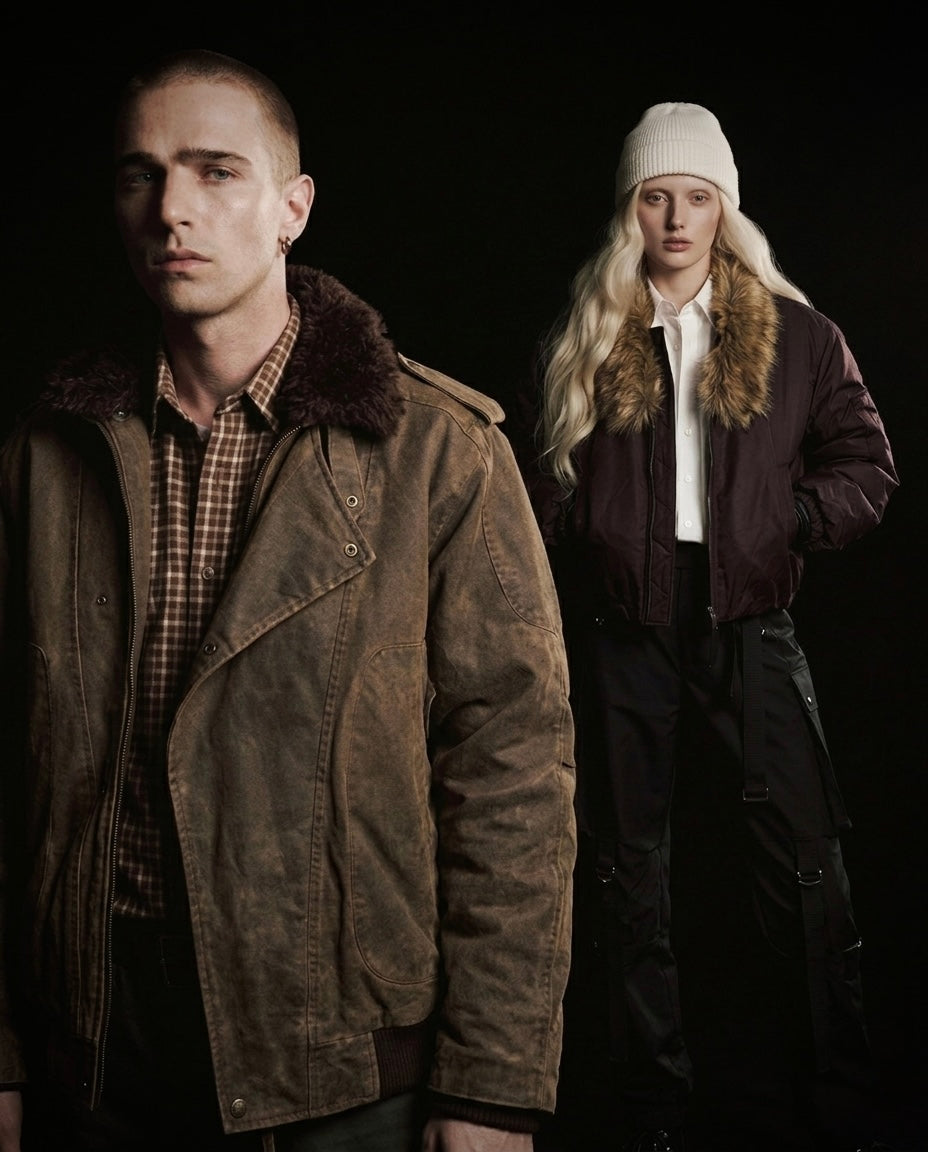
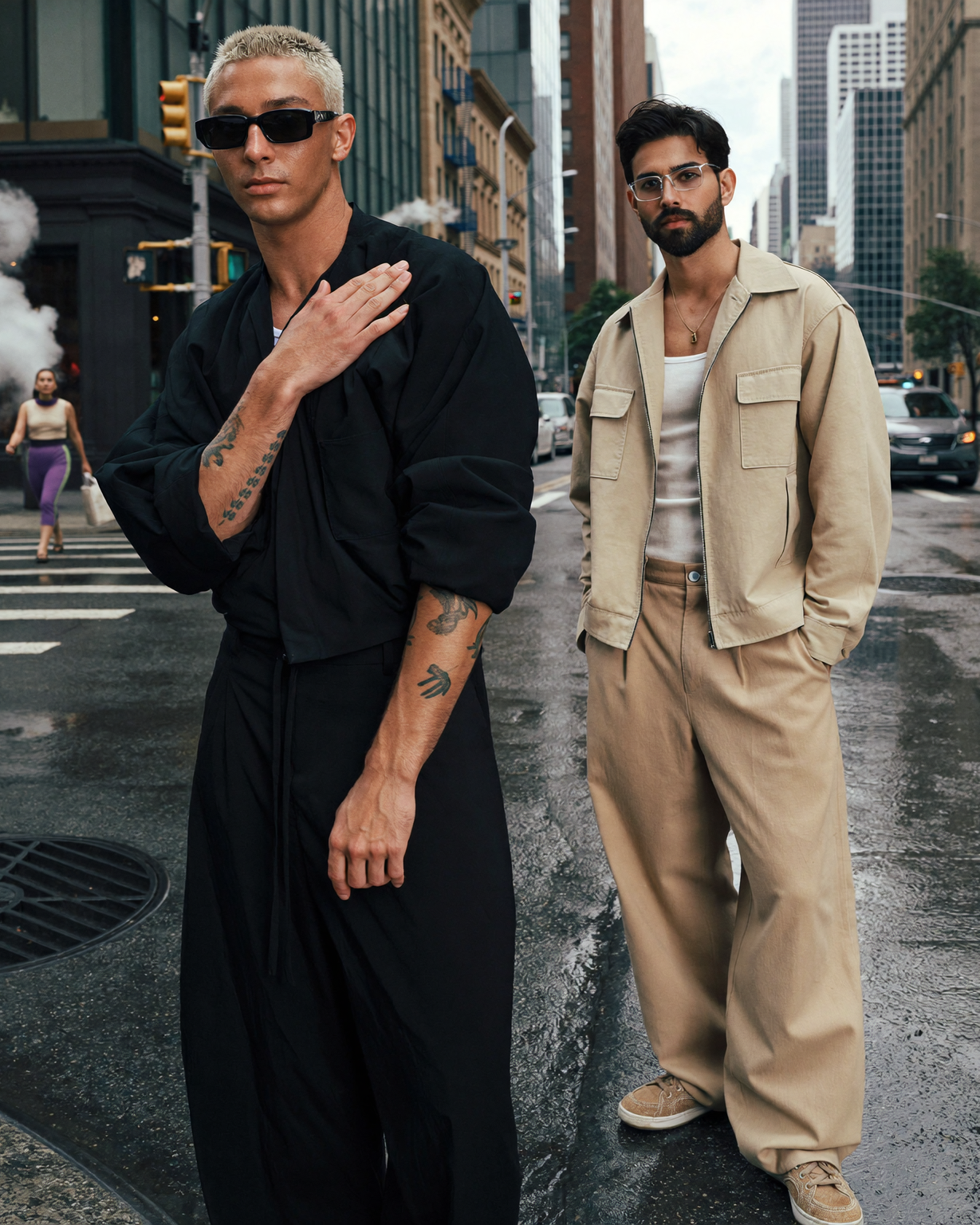

Fall Layering Outfits You Can Take Apart Through the Day
You leave in a jacket, spend lunch carrying it and wish you had brought a warmer layer by the time you head home. Autumn likes to turn a simple outfit into a small logistics problem. Getting dressed becomes easier when every removable piece leaves a complete outfit behind.
Useful fall layering outfits give you several comfortable stopping points. You can wear the tee alone, add the cardigan when the shade feels cooler and put the jacket back on after dark. The layers need to work together, but each stage also needs to feel worth wearing.
These five looks cover different ways to build that flexibility, from a cardigan and faded jeans to a bomber with a thinner knit underneath. The goal is an outfit that changes with your day and stays easy to carry. Start with your route, your indoor plans and the bag you will actually bring, then choose the layers.
1. Lightweight Cardigan + Tee + Faded Jeans

The cardigan is the layer you can remove without making an event of it. Worn over a simple tee and faded jeans, it gives you a little extra coverage at the start of the day and a complete outfit underneath by lunchtime. Keep its weight manageable enough to carry comfortably.
Choose a tee that looks right on its own, with a neckline and sleeve length you enjoy. A black or washed charcoal version gives faded denim a steady partner. Add a cardigan in grey, dark brown or another muted tone that works with both pieces separately.
Check the tee hem below the cardigan. A small amount of visible length can feel relaxed; a very deep band may pull the outfit toward the hip. If you prefer a cleaner front, tuck the tee lightly into the jeans and let the cardigan hang open.
Wear straight or relaxed jeans with a hem that suits your chosen footwear. Derby shoes give the outfit a more considered finish, while comfortable dark trainers keep it casual. Choose socks that look intentional when the jeans rise as you sit.
Use a bag with enough room for the cardigan if you expect to take it off. A delicate knit may not appreciate a tight knot around the waist or a rough bag zip. Fold or carry it according to its construction and the care guidance rather than assuming every cardigan handles the same treatment.
If you want a pattern, let the cardigan carry it and keep the tee plain. A modest stripe or knit texture can give the outfit interest without asking for another focal point. Check the cardigan's actual weight and feel rather than assuming an open-looking stitch will suit every temperature.
Swap the jeans for relaxed trousers if you want the same system for a tidier setting. Keep the standalone tee and removable cardigan. The combination succeeds because you can change one layer and continue your day without feeling as though half the outfit has disappeared.
2. Denim Jacket + Thin Knit + Relaxed Trousers

A thin knit gives a denim jacket a useful autumn middle ground. You get a little more coverage than a tee without filling the sleeves with bulk. Relaxed trousers change the lower half enough to keep the outfit from becoming another denim-on-denim arrangement.
Choose a fine knit in black, charcoal or a muted shade that sits comfortably beside the jacket wash. A simple crewneck leaves the collar area clear. The knit should allow you to bend your arms inside the jacket without dragging at the elbows.
Keep the knit hem around the top of the trousers or let it extend only a little below the denim jacket. Distinct lengths help the layers read clearly, but a large amount of fabric below a short jacket can make the middle look crowded. Try both loose and lightly tucked versions before choosing.
Wear relaxed straight trousers with a relatively smooth surface. A faded jacket already brings seams and wash variation, so a cleaner lower half gives it a quieter partner. Charcoal trousers work well beneath grey denim, while black can make a blue jacket feel more pronounced.
Choose ankle boots or sturdy low shoes and leave enough of the toe visible beneath the trouser. A compact bag with a smooth strap works well beside denim. Keep any scarf light enough to remove and store without filling the whole bag.
When you take off the jacket, the fine knit and trousers should still feel like a complete outfit. Check the neckline, hem and waistband relationship at that stage. If you only like the look with the jacket open, the inner combination needs a small adjustment before it becomes useful for a changeable day.
Swap the knit for a substantial long-sleeve tee in milder conditions, or use an overshirt if your denim jacket feels restrictive. You retain a removable outside piece and a simple base. These fall layering outfits for casual days work best when the layers let you move rather than merely adding up on a hanger.
3. Oversized Blazer + Tee + Light Scarf + Jeans

The light scarf earns its place here by being easy to take off. It adds a little coverage near the neck in the morning, while the blazer and jeans carry the shape of the outfit. By afternoon, the scarf can disappear into your bag without leaving the neckline unfinished.
Start with a plain tee that sits smoothly beneath a roomy blazer. Choose jeans with a relaxed straight or wide leg, keeping the wash relatively calm if the jacket has a strong shoulder. A dark blazer over charcoal denim gives you a subtle tonal difference.
Wear the scarf loosely enough that it does not lift the lapels or restrict your neck. A simple wrap or a narrow drape can work depending on the fabric and your plans. Keep the ends clear of the bag strap so you can remove it without pulling the whole jacket sideways.
Check the tee on its own. A graphic can work if you want the inner outfit to carry more interest, but a plain tee makes the scarf and blazer relationship easier to see. Keep the hem length deliberate so it does not gather heavily over the jeans' front pockets.
Boots make the combination feel sharper, while understated trainers suit a long day on foot. Choose the pair you need, then adjust the denim hem to meet it cleanly. A small structured bag adds definition if both the blazer and jeans run loose.
For evening, you can put the scarf back on and button the blazer when the fit allows. Add a suitable outside layer if conditions go beyond what those pieces can handle. A light scarf is useful for small changes, and the rest of the outfit needs to account for the larger ones.
Swap the blazer for an unstructured jacket if you want less shoulder definition, or replace the jeans with relaxed trousers for a tidier setting. The removable neck layer stays the flexible part. You get a simple day-to-evening system without carrying a second complete outfit.
4. Shirt Jacket + Long Tee + Wide Denim

This look uses length rather than a stack of thick layers. A shirt jacket frames a longer tee, while wide denim gives the lower half a relaxed fall. The combination can feel substantial without requiring a heavy knit that becomes awkward indoors.
Choose a shirt jacket with enough room to sit comfortably over the tee and any thin base you need. A chest pocket or a workwear seam can add detail, but check how those features sit when you use the garment open. The front should fall freely rather than catching on an overfilled pocket.
Let the tee extend below the outer hem by an amount you like from the side as well as the front. A gentle difference creates a clear layer; a much longer tee becomes the dominant line. Keep the lower edge fairly clean so it does not compete with the denim's pocket and seam details.
Wide dark jeans make a useful base, especially if the shirt jacket has a boxier shape. Choose a rise that keeps the waistband comfortable beneath the long tee. Leave the hem controlled over sturdy boots or substantial trainers so the lower half remains easy to move in.
A compact crossbody bag keeps your hands free and avoids loading the shirt jacket's pockets. Check the bag strap against buttons or hardware before wearing it all day. One small metal detail can finish the outfit if you want it, though the different hems already supply plenty of interest.
OFFCULTURE's Script-X Cargo Shirt Jacket offers a current workwear direction. Its catalog describes a Tencel-and-linen blend, but the actual garment weight and measurements still matter for your intended layer stack. Use the product as a candidate for the shape, then check the full specification before deciding how it fits your autumn routine.
Swap the long tee for a normal-length one if you want less layering on show. You can also use a plain overshirt from your wardrobe and keep the wider denim. The look stays useful because the outside layer comes off easily and leaves a relaxed, coherent base.
5. Bomber + Cardigan + Dark Cargo Pants

For an evening that starts mild and turns cooler, two manageable layers can give you more options than one bulky jacket. A thin cardigan sits beneath a bomber, with dark cargos keeping the lower half relaxed. You can wear either layer over the tee when the conditions suit it.
Start with a simple dark tee and a cardigan that does not add too much bulk at the upper arm. Add a bomber with enough room for the knit to move. The cardigan can finish close to the jacket hem or extend a little beneath it, depending on the shape you prefer.
Keep the cargo pockets relatively flat and choose a leg that falls cleanly to the shoe. A short bomber already draws attention to the waistband area, so heavy objects in the top pockets can distort the line. Carry the essentials in a compact bag instead.
Wear dark ankle boots or sturdy trainers that suit the evening's plans. Check the hem over the actual shoe, particularly if you expect to walk after dark. You want enough room to move without stepping on a long cargo cuff.
The cardigan gives the outfit an indoor stage that still feels dressed. Try it buttoned over the tee with the bomber off, then open it if you prefer a more relaxed front. Make sure the neckline and hem work at that stage rather than relying on the jacket to hide an awkward length.
Keep the bag large enough for one removable layer if your plans make that useful. A simple hat can join the look when needed, but avoid filling the neck with a heavy scarf if the cardigan and bomber already close comfortably. Leave yourself room to adjust the outfit without adding more things to carry.
Swap the cardigan for a thin zip knit if you prefer a smoother closure. Use relaxed work trousers instead of cargos if you want less pocket detail. The combination gives you several versions of the same outfit, which is exactly what a changeable autumn evening asks for.
Build an Outfit You Like at Every Stage
Look at the clothes in three states: the base alone, the base with the middle layer and the complete outfit. Each should feel comfortable and visually complete. If the tee only works because a jacket hides its length, it may be the wrong base for a day when you expect to remove that jacket.
Give the middle layer a clear job. A cardigan offers an easy open or closed front; a fine knit gives a smoother outline; a light scarf changes the neck coverage with almost no carrying space. Choose the one that solves the part of the day you actually find awkward.
Keep sleeve interactions simple. A loose tee sleeve can gather beneath a close cardigan, and a thick cuff can catch inside a jacket. Smooth the layers once, move your arms and see whether they stay comfortable. If they keep fighting, change the combination rather than planning to adjust it all day.
For fall layering outfits for men or women, use the same practical approach and choose the shapes you enjoy. You may prefer a shorter upper layer, a long tee or a more fitted base. The system works when the pieces support those preferences at every removable stage.
Try taking the layers off in the order you expect during the day. If reaching the cardigan requires removing a bag, scarf and fitted jacket, the arrangement may be more elaborate than your routine needs. A simpler sequence often makes the same clothes much easier to wear.
Make Carrying the Layer Part of the Plan
An outfit becomes less appealing when you spend the whole afternoon holding a jacket in one arm. Choose a bag that can accommodate the layer or plan somewhere to leave it. The outside piece's weight matters as much when you carry it as when you wear it.
Check what happens to textured fabric against the bag zip and hardware. A fine cardigan may need a separate soft pouch or more careful folding. Follow the maker's guidance and avoid forcing a garment into a space that catches or crushes its details.
Keep the items you use often accessible after you store the layer. A cardigan packed over your phone or wallet creates a little disruption every time you need either. Put the everyday essentials in a separate pocket so the clothing adjustment stays easy.
If you prefer tying a layer around your waist, test whether the garment's construction tolerates it and whether you like the shape. Heavy denim and delicate knitwear behave very differently. Carrying or storing the layer may preserve the look and feel better than knotting it tightly.
Consider the return journey before leaving. You may need the jacket after dark even when the afternoon looks warm. A layer that you can carry comfortably is more likely to come with you and remain available when you need it later.
Dress for Changing Conditions Without Packing Your Wardrobe
Choose a limited set of layers that cover the changes you expect. If the day looks mild with a cooler evening, a tee, cardigan and appropriate light jacket may give you useful options. If the forecast calls for more demanding conditions, choose suitable protection rather than adding decorative layers indefinitely.
Check wind and rain separately from the air temperature. An open cardigan and a denim jacket can feel different in a sheltered street and an exposed station. Use the garment's stated performance where relevant, and keep a practical plan for wet weather.
Look at your footwear for the whole route. The shoes that suit an indoor lunch still need to work for the walk home. Set the trouser length with those shoes, and keep a change of socks available when your day makes that sensible.
For fall layering outfits with a grunge influence, a faded tee or worked denim can add the mood without making every layer distressed. For a softer version, use a plain cardigan and smoother trousers. The removable structure can stay exactly the same while the surfaces change.
Repeat the system once you find one that works. Changing the cardigan colour, jacket wash or trouser finish gives you variety without making you solve the whole day again. That is where a small autumn wardrobe begins to feel surprisingly flexible.
For more ways to choose the cardigan or sweater itself, use the knitwear outfit guide; bring the shape you prefer into a removable system that suits your day.
Give Tomorrow More Than One Comfortable Outfit
Start with a base you would happily wear alone, then add one removable layer that solves a real part of the day. Choose an outside piece only when the conditions call for it and give that piece somewhere to go when you take it off. The outfit should keep working as the temperature changes.
Try the cardigan-and-jeans look for an easy start, or use the bomber and thin knit when your evening needs more options. Check every stage in the mirror, then pack the bag you will carry. You are dressing for a whole day with several comfortable versions of the same idea.
When your wardrobe needs a missing middle layer, look through OFFCULTURE's current cardigans, shirt jackets and outerwear. Choose the piece that makes the system easier to wear.
Read more

A denim jacket earns its place in autumn by being easy to reach for. Then the weather changes, the sweater gets thicker and that easy jacket suddenly feels like the wrong shape over everything. You...

You probably do not need another explanation of why a black jacket goes with everything. The useful question is why it looks great with one pair of trousers and strangely flat with another. Usually...